Introduction:
- The shift from 2D drafting to intelligent 3D modeling in plant design. The transformative impact of this technology.
Evolution of Piping Design: From 2D to 3D:
- Limitations of 2D: Difficulty in visualization, prone to clashes, manual MTOs, challenges in managing changes.
- Emergence of 3D CAD and dedicated plant design software.
Key Advantages of 3D Modeling in Piping Design:
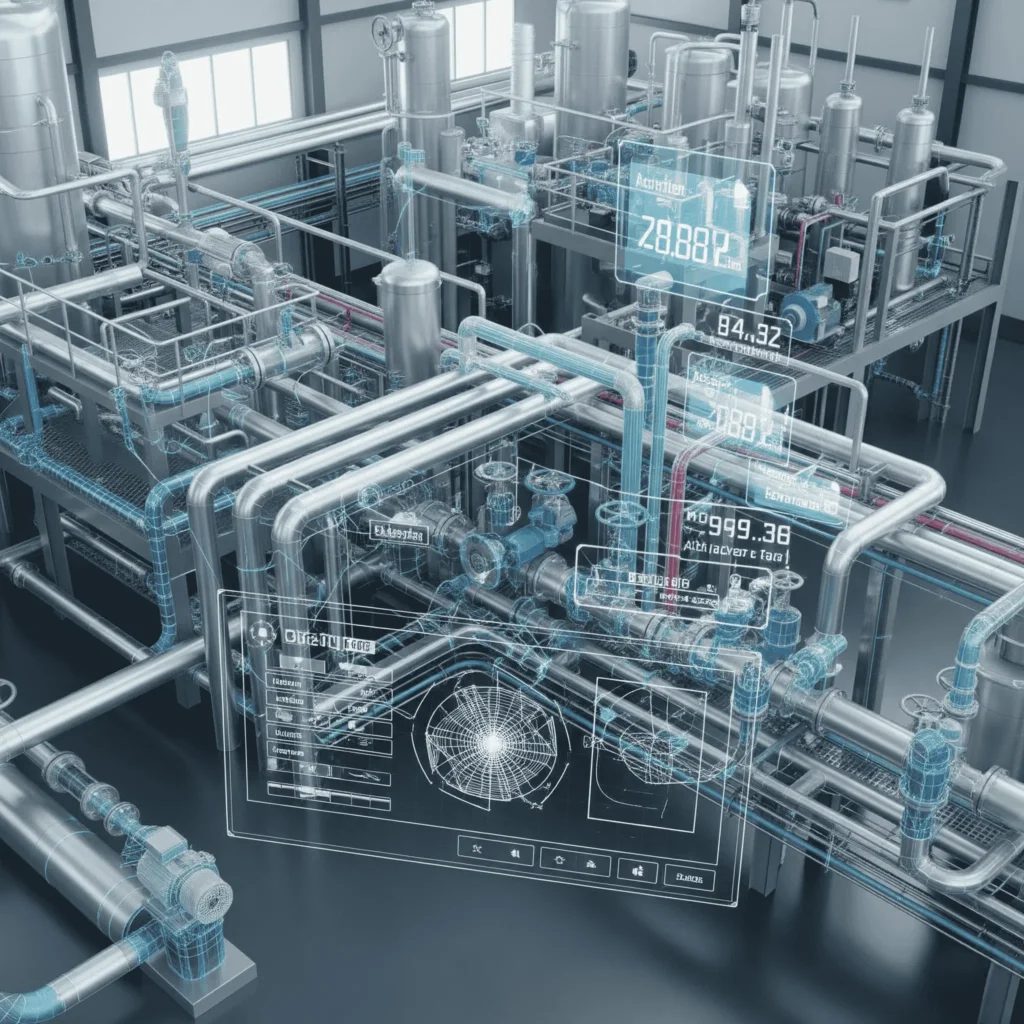
- Enhanced Visualization: Realistic representation of the plant, easier to understand complex piping runs and equipment layouts.
- Clash Detection: Automatic identification of interferences between piping, structure, equipment, cable trays, HVAC, saving costly rework during construction.
- Improved Accuracy and Consistency: Centralized database ensures all deliverables are based on the same model. Reduced human error.
Automated Deliverable Generation:
- Piping isometrics and spool drawings.
- General Arrangement (GA) drawings.
- Bills of Materials (BOMs) / Material Take-Offs (MTOs).
- Support drawings.
Streamlined Interdisciplinary Collaboration:
- All disciplines work on a common model, improving communication and coordination (e.g., structural steel, equipment, civil).
Facilitates Design Reviews:
- Interactive model reviews (e.g., using Navisworks, SmartPlant Review) with clients and internal teams.
Integration with Other Engineering Activities:
- Pipe stress analysis software (export/import capabilities).
- Procurement systems (MTO data).
- Construction planning and simulation.
Lifecycle Data Management:
- The 3D model can become a “digital twin” for operations and maintenance.
Popular 3D Piping Design Software Suites:
- AVEVA Solutions (PDMS, E3D).
- Hexagon PPM / Intergraph (SmartPlant 3D, PDS).
- Autodesk (AutoCAD Plant 3D).
- Bentley Systems (OpenPlant Modeler).
- CADWorx.
- Key features: Specification-driven design, component libraries, clash management, drawing production.
The Role of Specifications in 3D Modeling:
- How piping specs (defining allowed materials, components, dimensions based on ASME B31.3 and other codes) are built into the software to ensure compliant design.
Challenges and Considerations:
- Initial software cost, training requirements, managing large models and databases.
Conclusion & Call to Action:
- 3D modeling is no longer a luxury but a standard in modern piping design. Proficiency in these tools is essential for competitiveness and efficiency. Hands-on training courses for specific 3D plant design software (like S3D, PDMS/E3D, or Plant 3D) are crucial for designers and engineers to master these powerful systems and leverage their full potential in creating accurate, clash-free, and well-documented plant designs.