Master the engineering architecture of ASME B31.12 hydrogen piping. Learn how to prevent hydrogen embrittlement, select safe materials, an...
Podcast episode. The audio for this episode is being moved to the new site; the written summary follows.
Hydrogen Infrastructure: Understanding the Regulatory Framework
As we transition toward a hydrogen-based energy economy, the engineering challenges evolve from standard process piping to specialized systems designed to handle the unique properties of hydrogen. This shift necessitates a transition from traditional codes to the specialized requirements of ASME B31.12.
Why Standard Piping Codes Fall Short
Hydrogen introduces unique physical phenomena that standard carbon steel systems are not always equipped to handle:
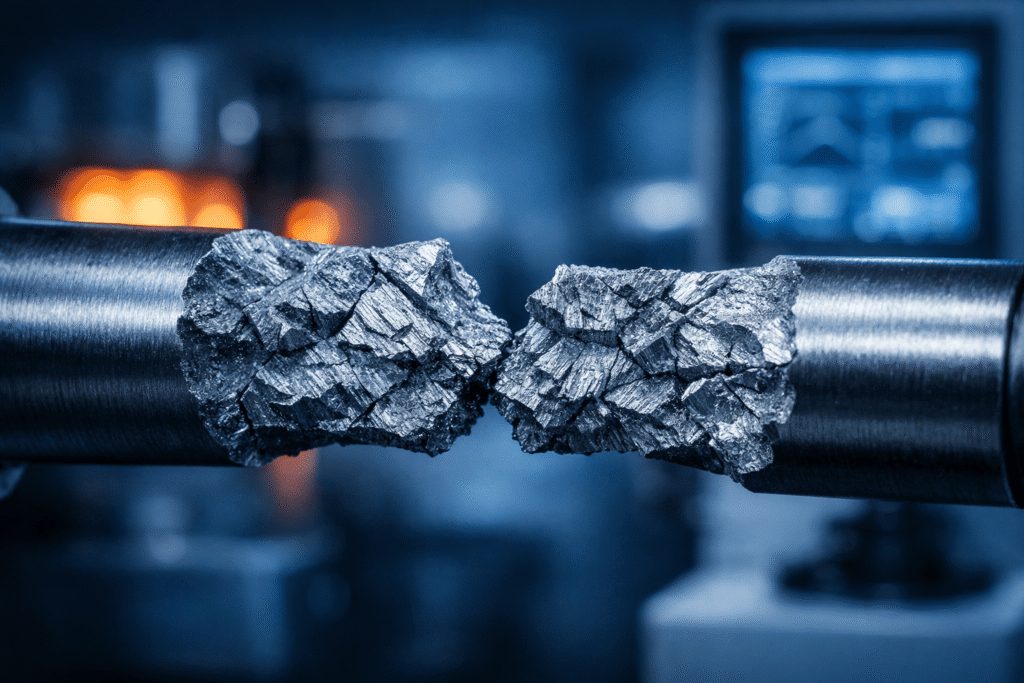
Hydrogen Embrittlement: High-pressure hydrogen can permeate the crystalline structure of metals, significantly reducing ductility and leading to premature structural failure.
Permeability and Leakage: Because hydrogen is the smallest molecule, it can migrate through materials that are considered leak-tight for natural gas or steam applications.
Regulatory Precision: Unlike ASME B31.3 or B31.1, which focus on general process or power piping, ASME B31.12 explicitly addresses the material compatibility, weld requirements, and design safety factors essential for hydrogen-specific service.
The Technical Evolution
The industry is currently moving toward a rigorous standard of inspection and design that prioritizes:
Material Selection: Strict limitations on the use of certain high-strength steels that are susceptible to hydrogen-induced cracking.
Design Safety Factors: Adjusting the “Sh” (basic allowable stress) and design temperatures to account for the potential for hydrogen-enhanced fatigue crack growth.
System Integrity: New mandates for weld inspections and non-destructive testing (NDT) specifically tailored to detect microscopic hydrogen-related defects.
Deepen Your Knowledge
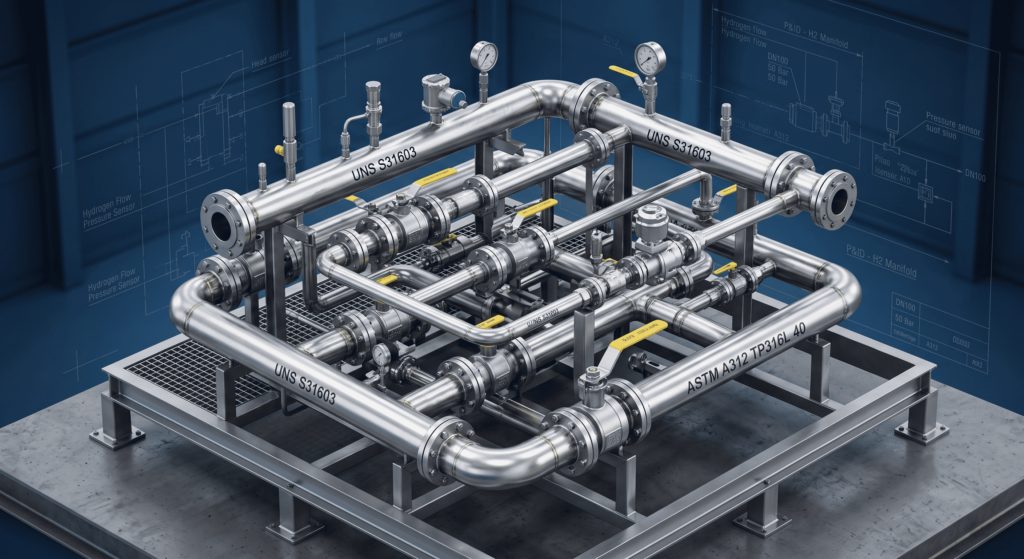
To truly grasp how these codes dictate the design, construction, and maintenance of modern hydrogen plants, you need to see the application of these concepts in real-world scenarios. We have compiled a comprehensive visual breakdown that maps these engineering constraints to actual system architecture.