Discover how Value Engineering 4.0 combines the SAVE International methodology with Agentic AI. Learn how autonomous agents generate functional alternatives, digitize FAST mapping, and perform real-time LCCA to maximize project value.
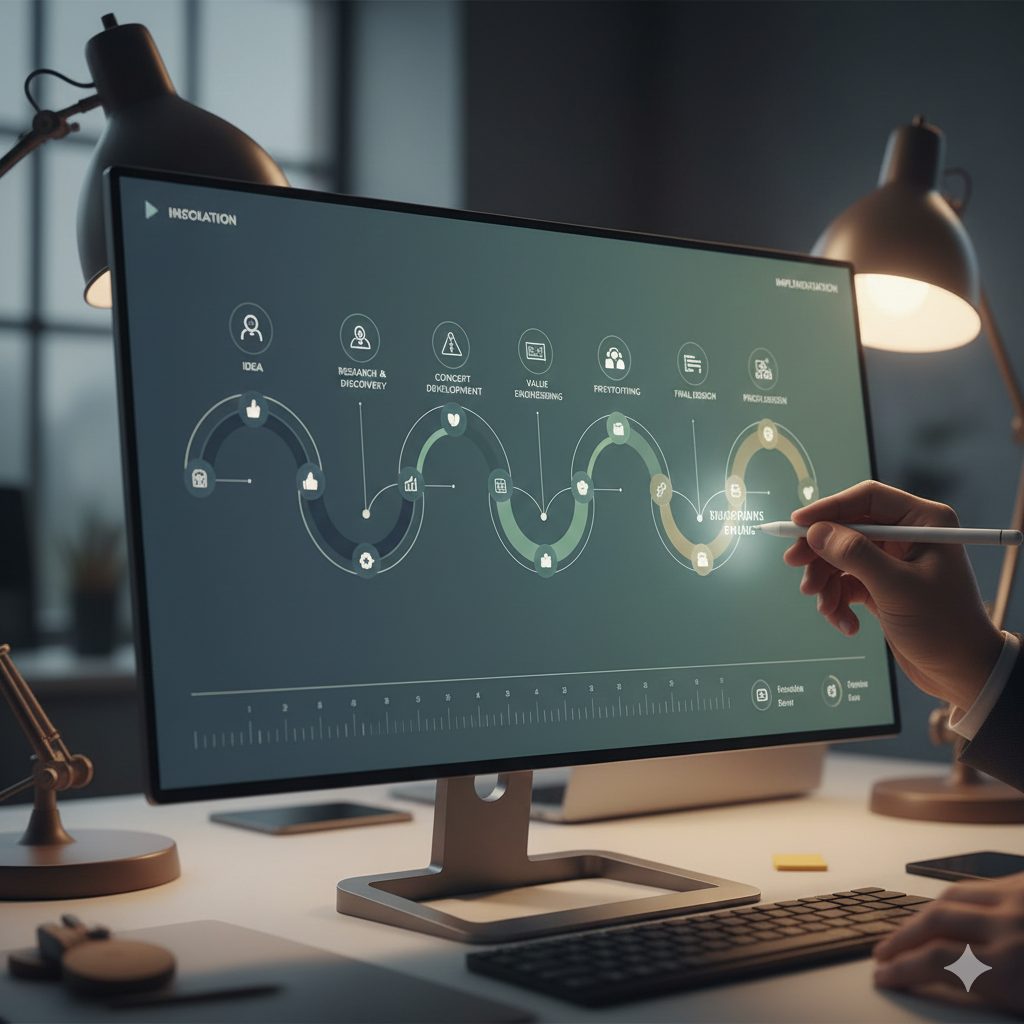
In 2026, the traditional Value Engineering (VE) study has been reinvented. Value Engineering 4.0 represents the fusion of the SAVE International methodology with Agentic AI. AI agents now act as creativity catalysts, generating thousands of alternatives and performing real-time LCCA. This ensures value is engineered into the asset from the first conceptual sketch.
This post explores the integration of AI into the VE Job Plan. For project managers pursuing certification through [A Guide to the Value Methodology Body of Knowledge (VM Guide)], mastering this AI-infused methodology is the key to delivering high-performance facilities in the 2026 market.
1.0 The Creativity Phase: Agentic Brainstorming
1.1 Generating Functional Alternatives
The Creativity Phase is no longer limited by cognitive bias. AI agents trained on millions of case studies break experience silos. Instead of suggesting a different pump, an agent proposes alternative functional methods to move fluid. By the time the team meets, the AI has ranked the top 50 alternatives. For engineers who completed [Value Engineering: (Module 1 – Basic Course)], this acts as a force multiplier.
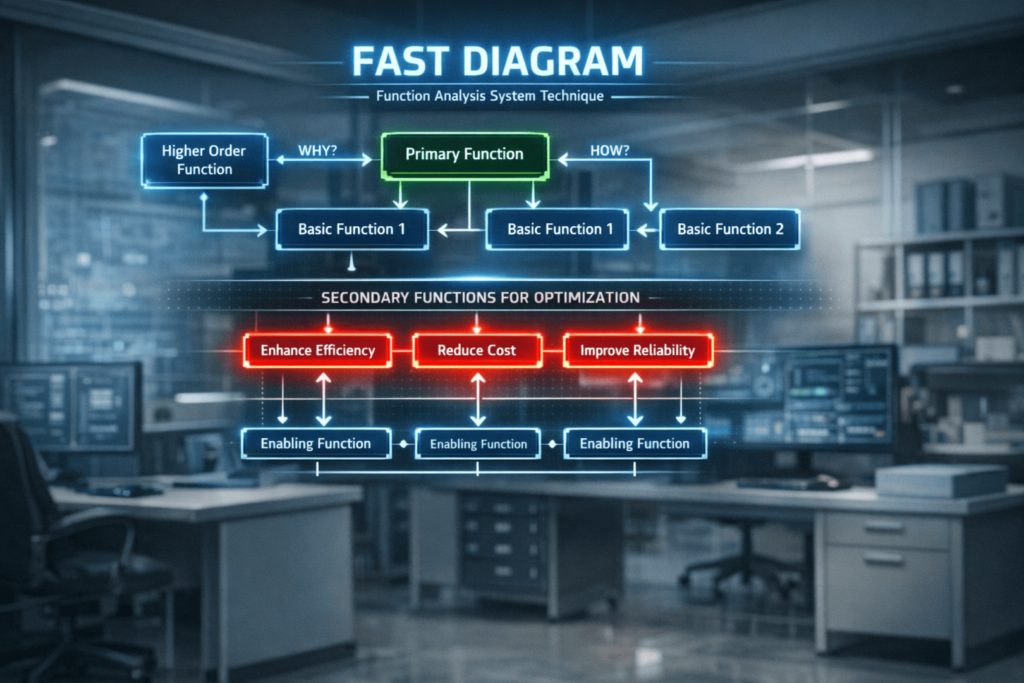
1.2 Digital FAST Mapping
Digital FAST Maps have replaced manual diagrams. AI agents analyze specifications and autonomously map the How-Why relationships. The agent identifies Basic vs. Secondary functions, forcing a function-first mindset. By linking FAST to the 3D model, the agent visualizes the Cost-to-Function ratio in real-time, ensuring every dollar spent contributes to the core mission as taught in the [VM Guide].
2.0 Lifecycle Cost Analysis (LCCA)
2.1 Real-Time OPEX/CAPEX Trade-Offs
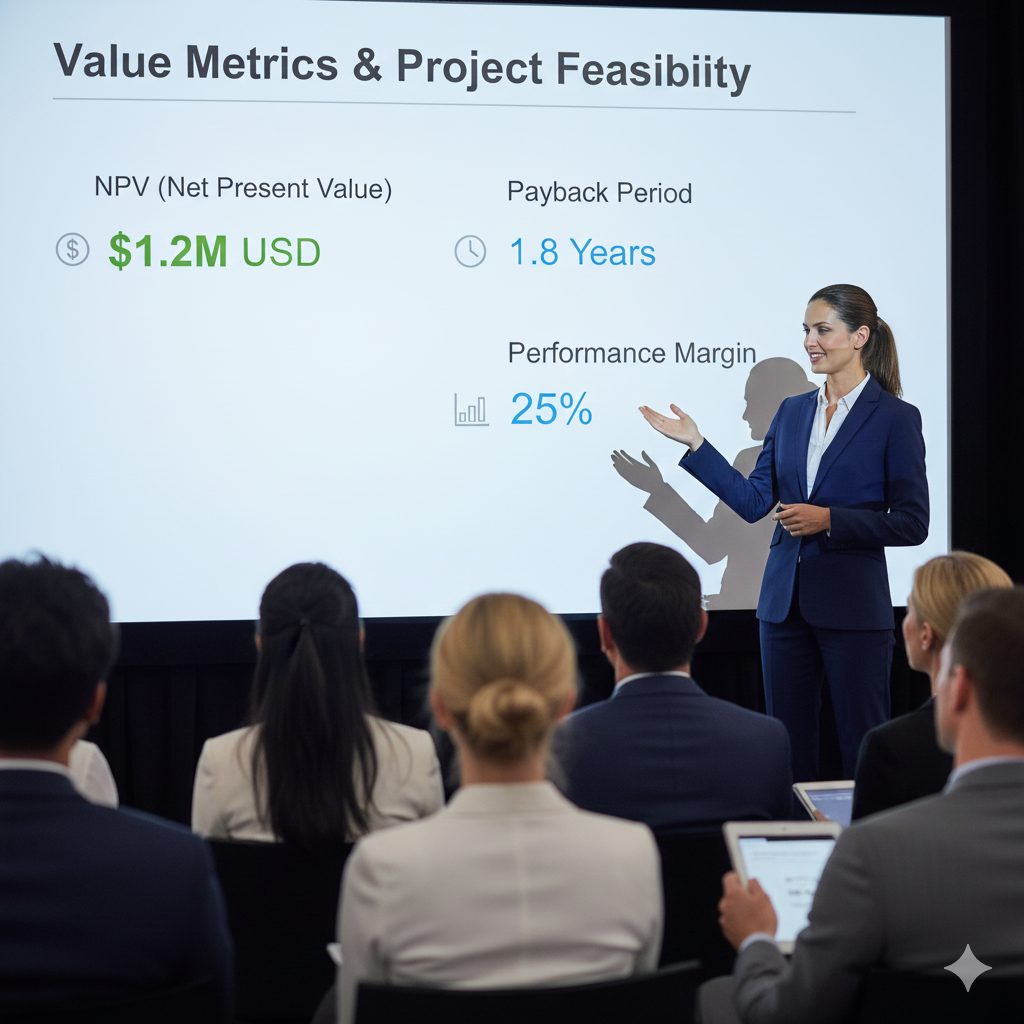
In 2026, AI agents perform instantaneous LCCA, simulating 25 years of operation including carbon taxes and maintenance per [API 579]. This ensures value is never sacrificed for cheapness. In the [Process Plant Layout and Piping Design, Level-III] revamp modules, students use these tools to prove the bankability of upgrades.
3.0 Conclusion
The 2026 Value Specialist is an Orchestrator of agents. This requires mastery of both the machine and the methodology. The future belongs to those who can build the most value with the least waste through AI-driven project optimization.