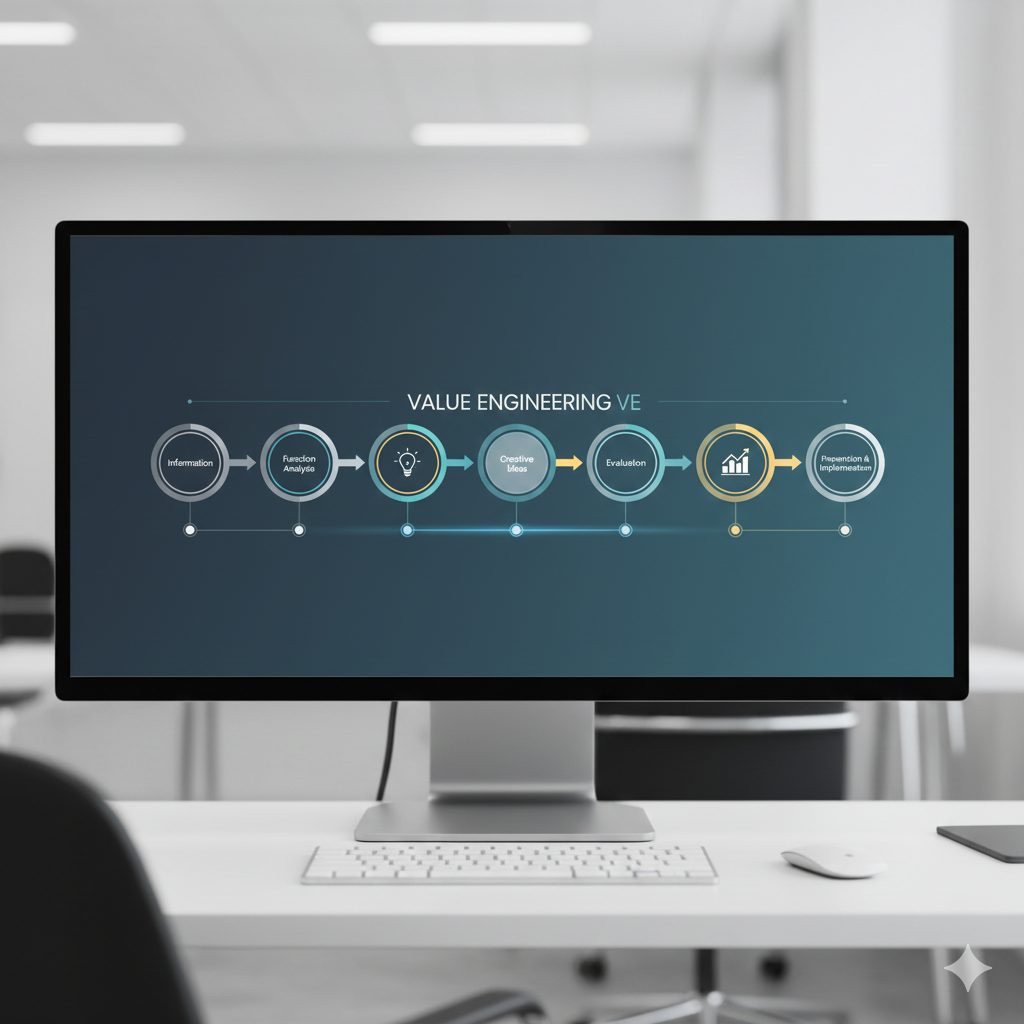
Value Engineering

Value Engineering Phase 1: Information Phase

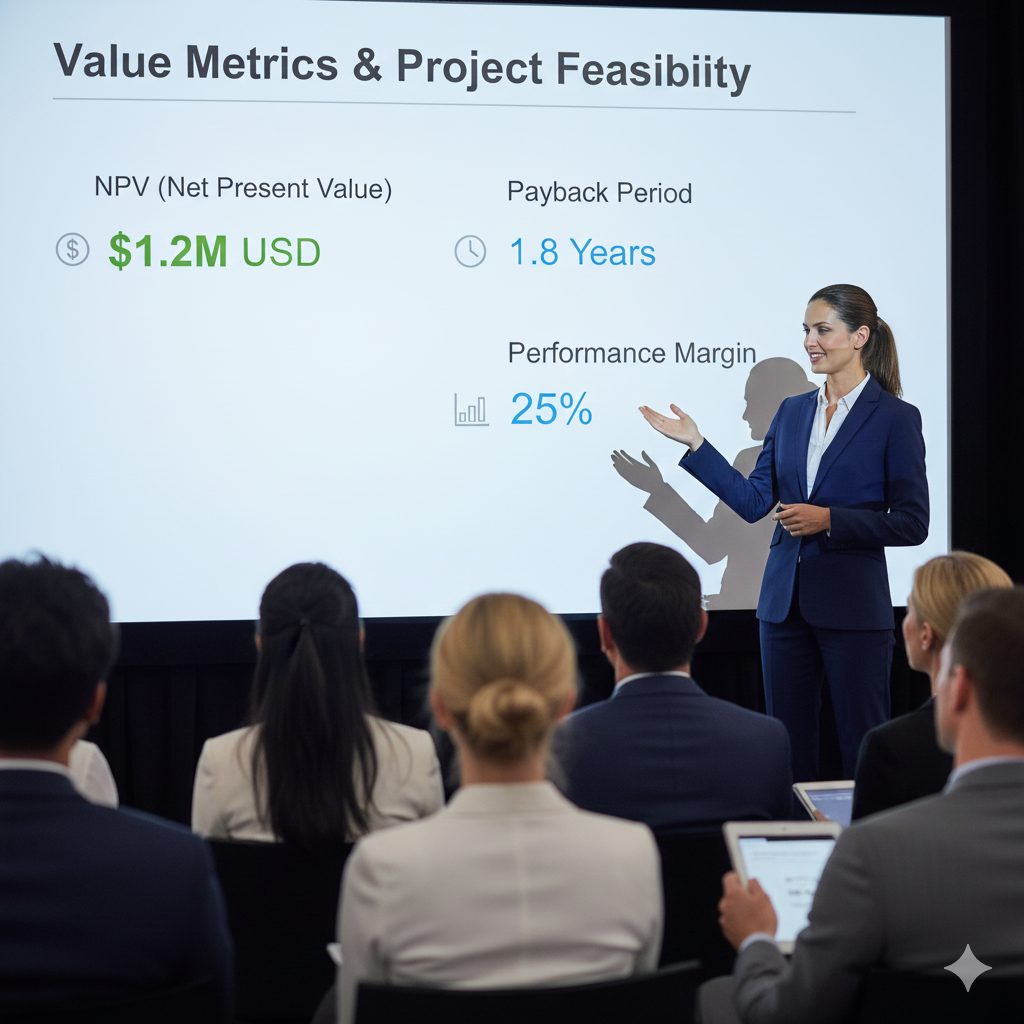
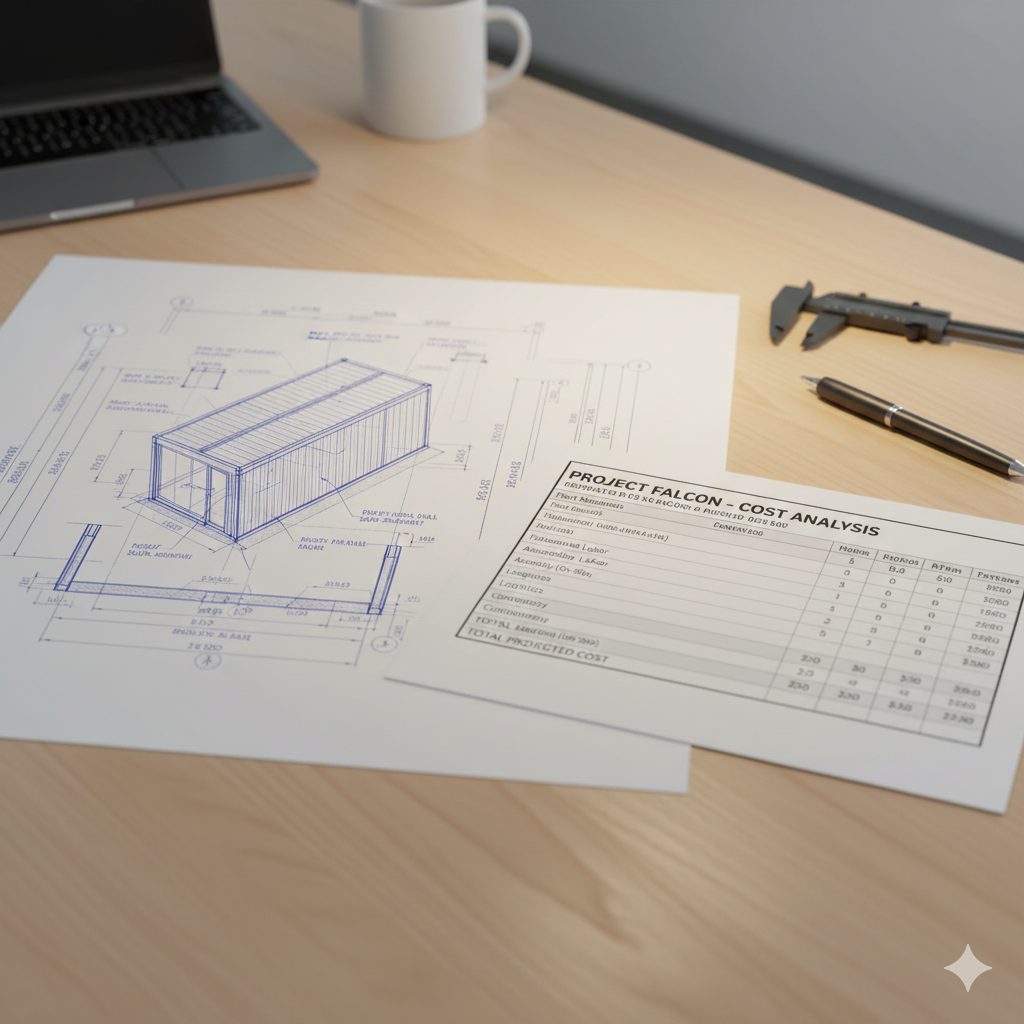
The Information Phase is the foundation of Value Engineering. It systematically gathers and validates project data, highlights major cost drivers, and clarifies objectives and constraints. With stakeholder alignment and a preliminary function list, this phase sets a reliable base for function…

Value Engineering

Development Phase

Introduction The Development Phase is where ideas become reality. After evaluation has narrowed the field to a shortlist of promising alternatives, the team must now refine those concepts into implementable solutions. This phase involves technical detailing, economic validation, risk mitigation…

Value Engineering

Evaluation Phase

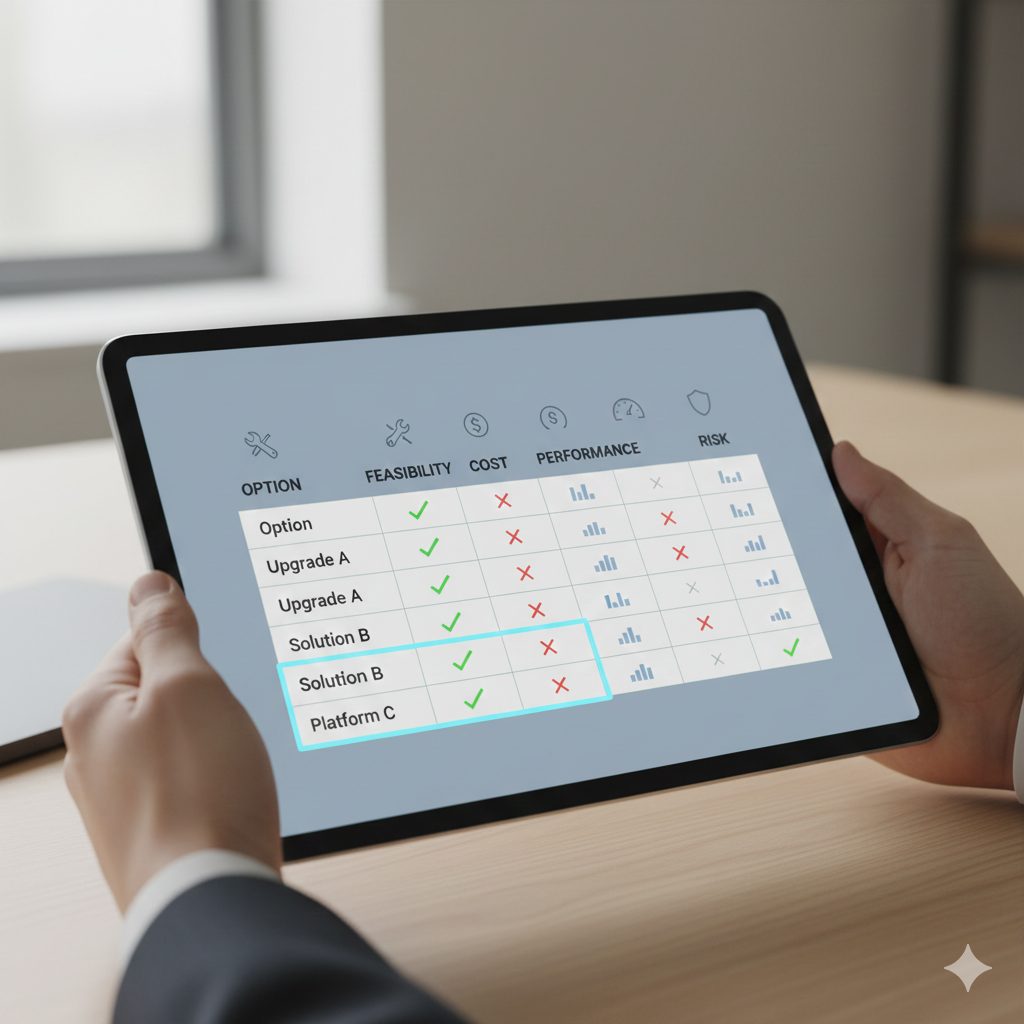
Introduction The Evaluation Phase is where Value Engineering shifts from divergence to convergence. After generating a wide array of alternatives in the Creative Phase, the team must now screen, score, and rank ideas to identify those worth developing further. This phase is about discipline…

Value Engineering

Creative Phase

The Creative Phase is about divergence—producing a wide range of feasible alternatives to achieve each function. Using structured prompts like TRIZ and SCAMPER, teams avoid premature judgment and unlock innovative options that can be evaluated later for value.

Value Engineering

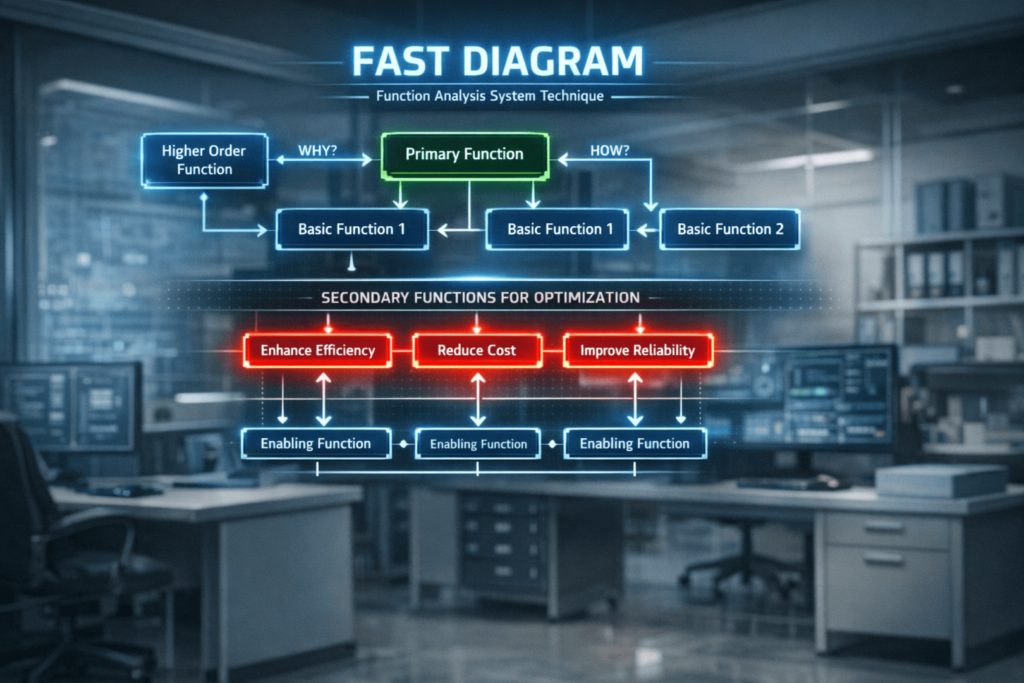
Function Analysis Phase

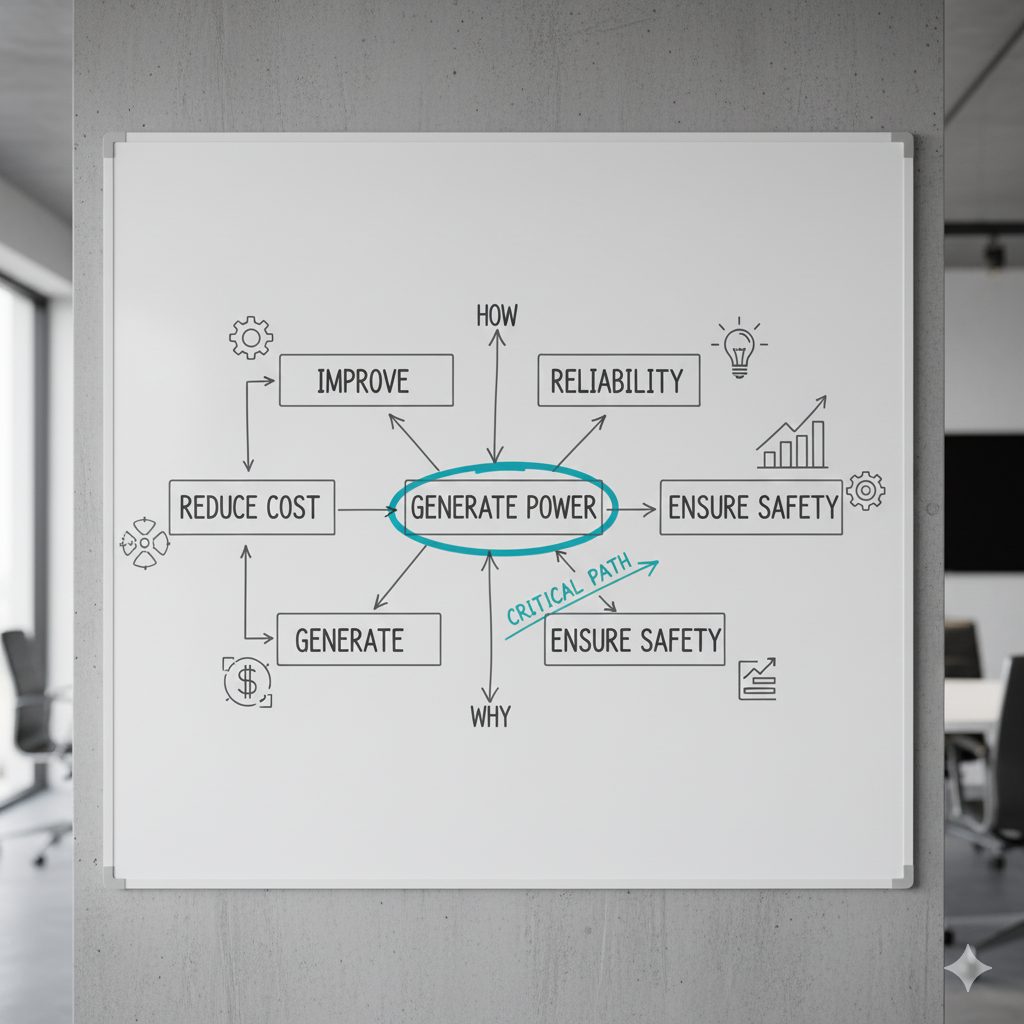
Function analysis transforms project complexity into clarity. By modeling basic and secondary functions and using FAST diagrams, teams discover where value hides and where unnecessary costs creep in. This phase builds the functional backbone that guides creative ideas and rigorous evaluation.

RSS feed · 9 articles