Value Engineering delivers when it becomes a habit. This conclusion distills lessons from each phase and offers practical steps to embed VE into project workflows, governance, and culture—so value isn’t a workshop, it’s your way of working
Introduction
Value Engineering is more than a workshop—it’s a mindset and a discipline. The six phases we’ve explored (Information, Function Analysis, Creative, Evaluation, Development, and Presentation) provide a structured methodology for maximizing value. But the real challenge lies in embedding VE into everyday practice so that it becomes part of organizational culture, not just a one-off exercise.
This final post distills lessons learned across the phases and offers practical steps to integrate VE into workflows, governance, and culture.
Lessons Across the Phases
- Information: Data quality controls everything. Without validated inputs, later phases falter.
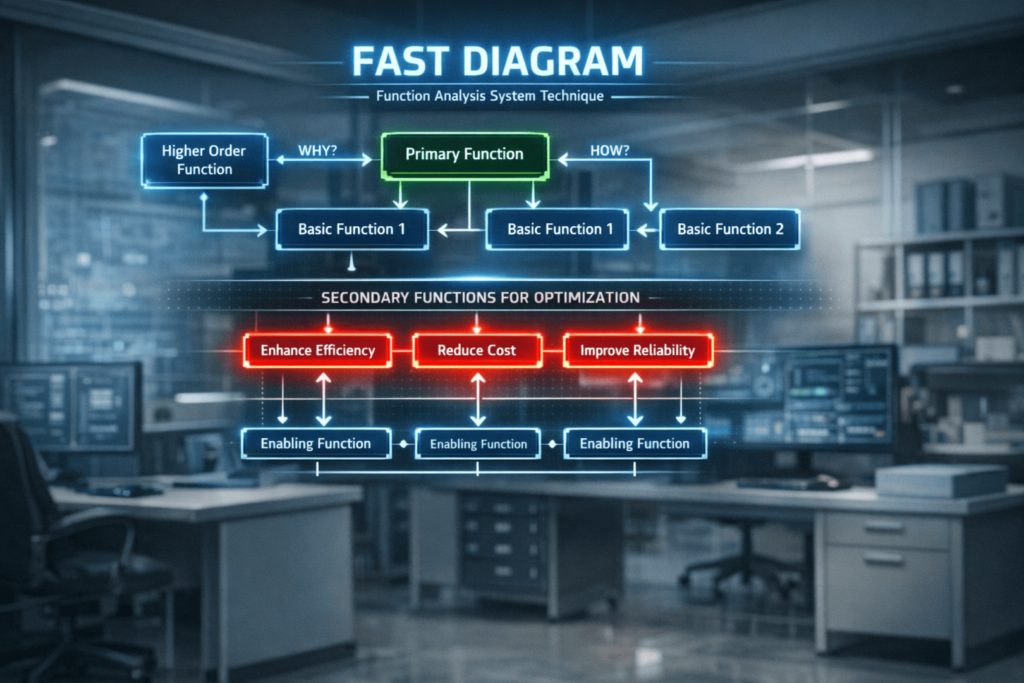
- Function Analysis: Value follows function clarity. FAST diagrams expose where costs don’t serve purpose.
- Creative: Diverge deliberately. Structured ideation ensures a rich pool of alternatives.
- Evaluation: Decide transparently. Criteria and sensitivity analysis build trust.
- Development: Validate before you build. Detailed design and risk planning prevent surprises.
- Presentation: Clarity earns approval. A crisp value story secures stakeholder buy-in.
Together, these phases form a repeatable cycle that balances creativity with discipline.
Embedding VE in Workflows
- Governance integration
Add VE checkpoints to stage-gate processes. For example, require a Function Analysis deliverable before design freeze, or an Evaluation matrix before procurement approval. - Templates and repositories
Standardize artifacts (checklists, FAST diagrams, evaluation matrices) and maintain a central VE repository for reuse. - Metrics and KPIs
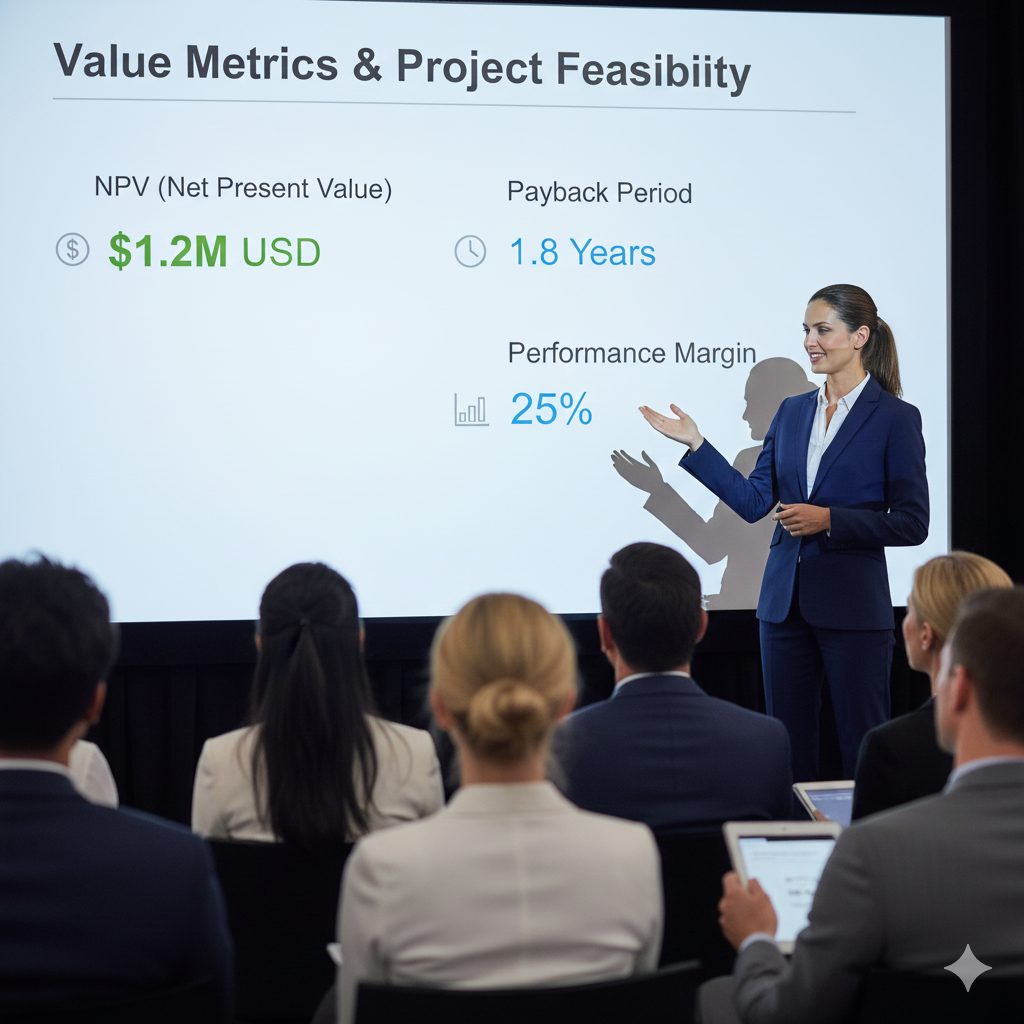
Track outcomes such as NPV, payback, performance margins, rework avoided, and stakeholder satisfaction. - Training and capability building
Develop skills in FAST, ideation techniques, evaluation methods, and lifecycle costing. Offer workshops and mentoring. - Culture and incentives
Reward function-first thinking, evidence-based decisions, and successful VE implementations. Celebrate savings and performance improvements.
Common Adoption Barriers
- Time pressure: Teams may skip VE under schedule stress. Solution: run lightweight VE sprints early in design.
- Tool fatigue: Overly complex templates discourage use. Solution: keep tools simple and focused.
- Siloed data: Fragmented information undermines analysis. Solution: centralize repositories with version control.
- Sponsor skepticism: Leaders may doubt VE’s impact. Solution: start with pilots and showcase quick wins.